Commissioned Data Processing and Data Processing Agreements
If your company's cooperation partners process personal data on your behalf (e.g. an external IT service provider), you must ensure that these partners comply with all requirements of the GDPR and that the rights of the data subject are fully protected. To provide clarity on the respective rights and obligations, the GDPR requires that processing by this so-called processor is carried out on the basis of a contract. This data processing agreement (DPA) must bind the processor to the controller and regulate certain content. This includes, among other things, the subject matter, duration and purpose of the processing, the type of personal data, the categories of data subjects, and the obligations and rights of the controller.
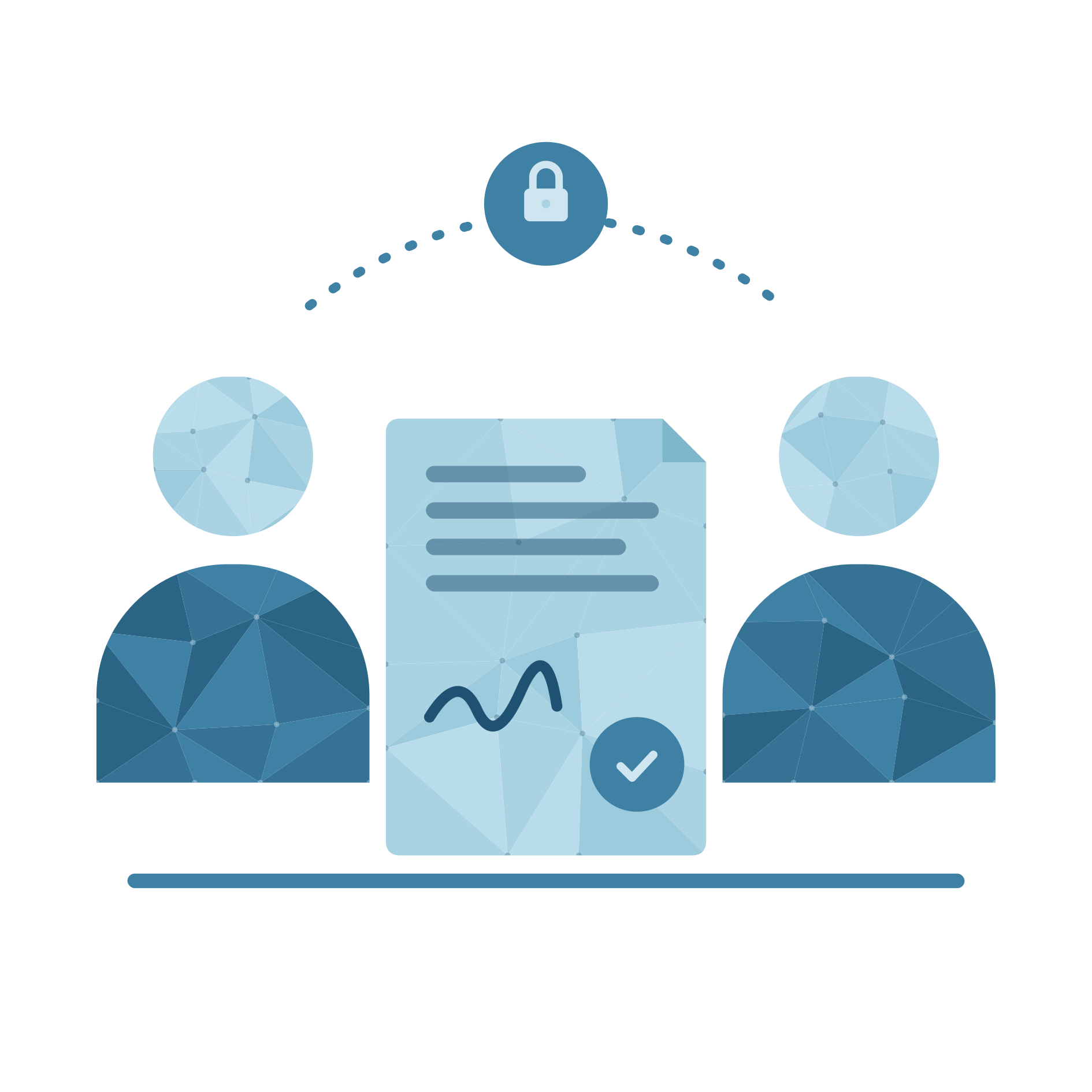
Who Counts as a Processor?
Processors may be natural or legal persons as well as public authorities or public-law bodies. Typical examples are:
- providers of remote maintenance for computer systems, where access to personal data cannot be ruled out
- processing of customer data by a call centre without significant scope for its own decisions
- data carrier disposal companies and professional document shredding services
- security services that collect visitor and delivery driver data at the gatehouse
- Google services (such as Google Analytics)
- payroll and financial accounting by external data centres
- outsourcing of backup storage and other archiving
- advertising or marketing agencies (e.g. when personalised letters are sent)
- outsourcing of e-mail management or other data services for websites (e.g. handling contact forms or user enquiries)
- pharmacy data centres under § 300 SGB V (German Social Code Book V)
- medical/dental billing services without sale of receivables
Limitation: where service providers perform their services on their own responsibility and are not bound by instructions from the cooperating companies (e.g. professionals bound by professional secrecy, banks or the postal service), a DPA is generally not required.

The challenge here is this: in all cases where such so-called sub-processors are used via your own processors, your company is also responsible for ensuring compliance with applicable data protection rules for the personal data of your own customers or employees. In such a case, it must therefore be examined whether, and on what basis, such a transfer of personal data is permissible.
In all these cases, we at Süddeutsche Datenschutzgesellschaft will gladly support you with advice tailored to the situation, the legally sound drafting of new contracts and the review of existing DPAs.
Related Topics
Record of Processing Activities
Most companies are required to maintain a record of processing activities (RoPA). Such a record also offers the opportunity to serve as the heart of a data protection management system (DPMS). We will gladly support you with this.
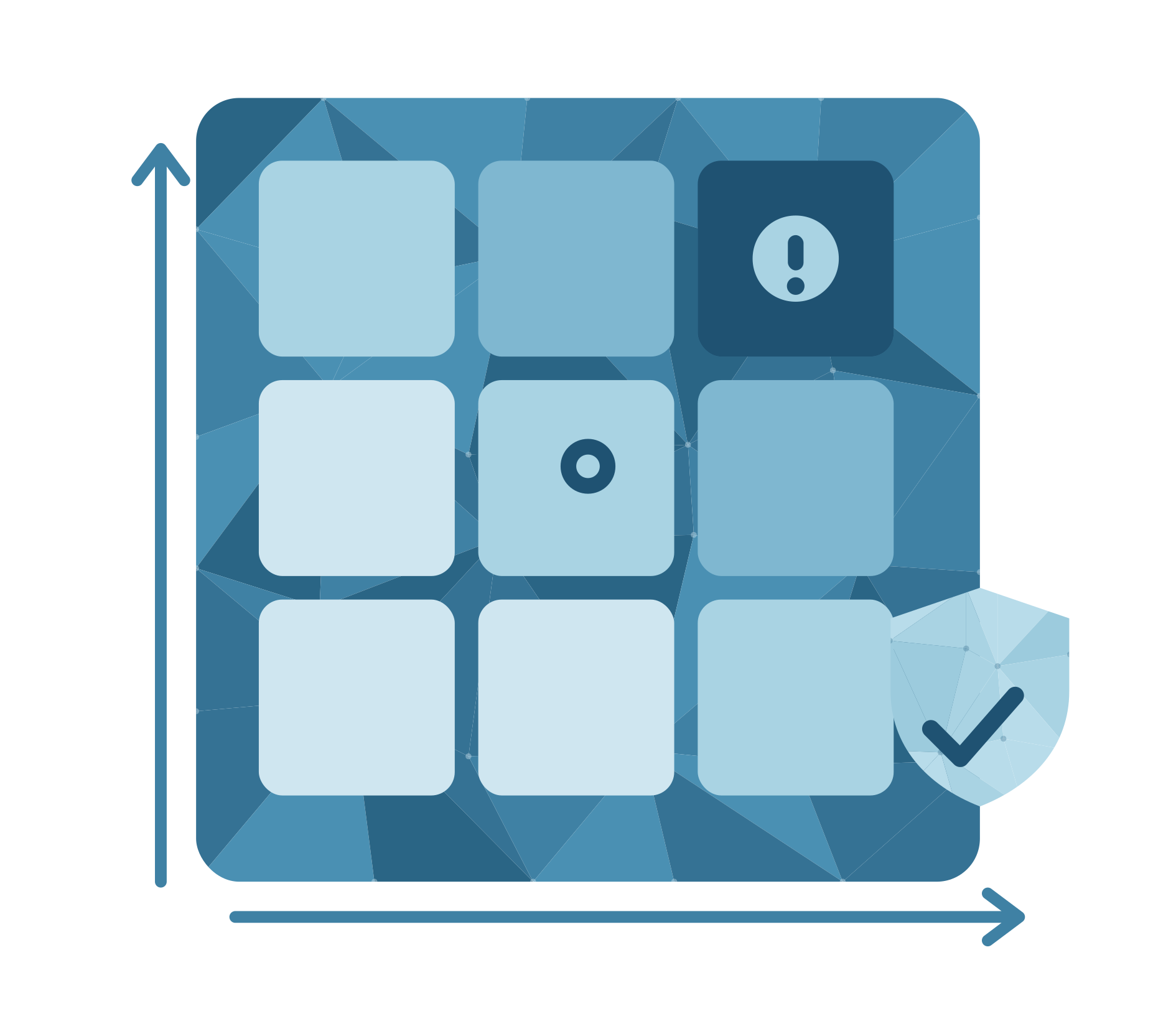
Impact Assessment
If the processing of personal data poses high risks for data subjects (e.g. discrimination in the event of a data breach), the GDPR requires a risk assessment, the identification of measures to reduce risk and the drawing up of an action plan.
Information Security
The protection goals of information security are confidentiality, availability and integrity. To this end, we gladly carry out internal audits for you, assess your technical and organisational measures and check the security of your online presence by means of penetration tests.