Risk Management in Data Protection
Whenever the processing of personal data is likely to result in "a high risk to the rights and freedoms of natural persons", the GDPR requires a so-called data protection impact assessment. But what exactly is a data protection impact assessment? And when are the risks to the rights and freedoms of data subjects high enough?
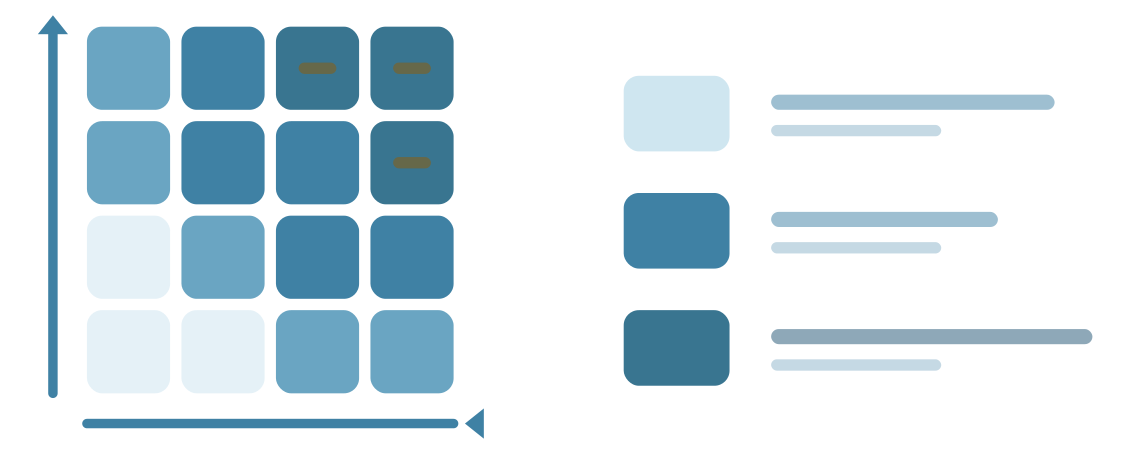
Experienced project and quality managers are usually familiar with comparable approaches. Nevertheless, data protection involves additional regulatory requirements that can pose considerable challenges for companies and make it necessary to bring in external expertise.
When is a Data Protection Impact Assessment Required?
In principle, a DPIA is required whenever there is a high risk to the rights and freedoms of natural persons. Exactly when this is the case (e.g. because of a risk of discrimination) cannot be answered in general terms – a case-by-case assessment is always unavoidable. According to Art. 35 (3) GDPR, the factors that feed into such a decision include:
- the degree of automation in the processing of personal data (e.g. in the context of automated profiling)
- the processing of special categories of personal data under Article 9 (1) or of personal data relating to criminal convictions and offences under Article 10
- the existence of systematic, large-scale monitoring of publicly accessible areas
The second point is particularly relevant in healthcare and insurance, as Art. 9 GDPR also covers all forms of health data, biometric data and information on a person's sexual orientation. Hospitals and medical practices, but also manufacturers of health apps, digital health applications (DiGA) and health insurance intermediaries quickly come into focus here.
Contact us and we will help you put your company's risk management in data protection on a legally sound footing.
Related Topics
Commissioned Data Processing
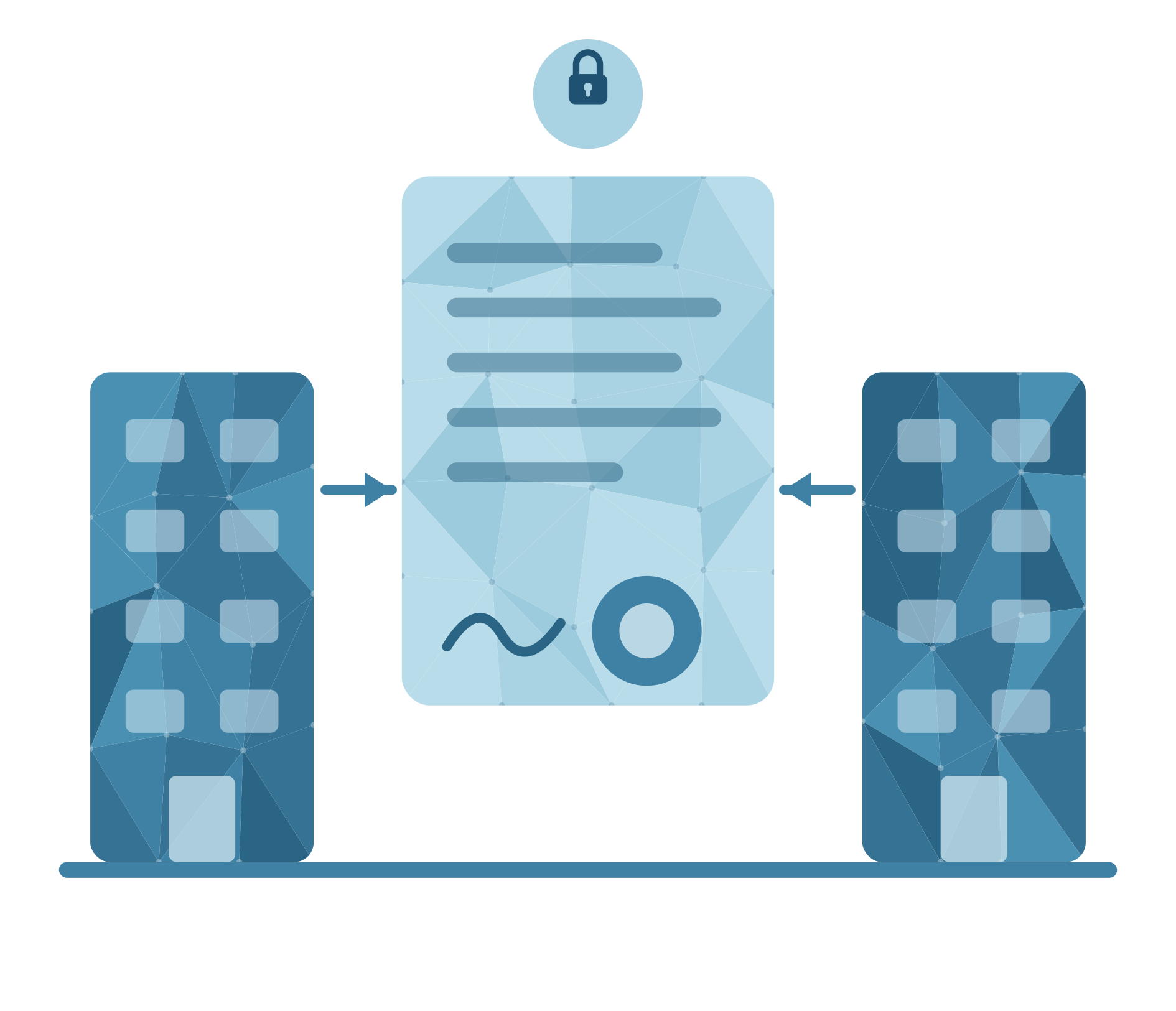
Do your company's cooperation partners process personal data on your behalf? Then it is probably necessary to regulate this processing on the basis of a so-called contract for commissioned data processing (data processing agreement or DPA).
Record of Processing Activities
Most companies are required to maintain a record of processing activities (RoPA). Such a record also offers the opportunity to serve as the heart of a data protection management system (DPMS). We will gladly support you with this.
Information Security
The protection goals of information security are confidentiality, availability and integrity. To this end, we gladly carry out internal audits for you, assess your technical and organisational measures and check the security of your online presence by means of penetration tests.