What is a RoPA?
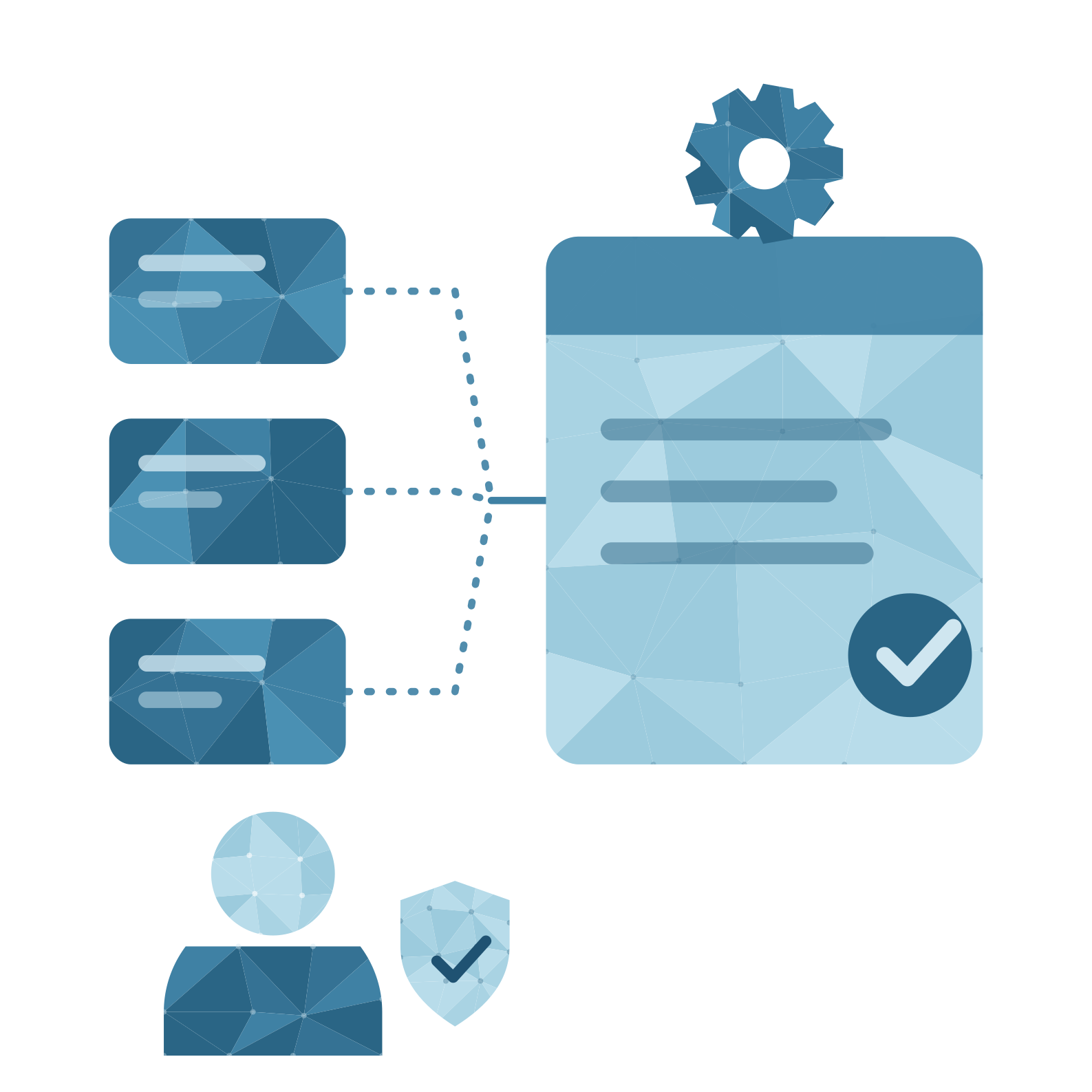
Under Art. 30 GDPR, most companies are required to create a so-called record of processing activities (RoPA). Such a record can serve as the heart of an internal data protection management system (DPMS), as many other GDPR requirements (carrying out data protection impact assessments, documentation of data processing agreements, or information on transfers to third countries) can be seamlessly linked to it. In principle, a RoPA must be in writing, but the content and the level of detail required in a specific case have not been conclusively clarified in law. The minimum required information can be summarised as follows:

Involving the Data Protection Officer
For the reasons above, the final decision on the appropriate level of detail when grouping processing activities in each individual case should always be made in close cooperation with the company's own data protection officer. In addition to acting as your external data protection officer, we at SDG also offer our full support separately, in the form of legal review and assessment, analysis of your technical and organisational measures, and templates adapted to your situation and company.
Contact us and we will help you bring this important core of your company's DPMS to life and make it GDPR-compliant.
Related Topics
Commissioned Data Processing
Do your company's cooperation partners process personal data on your behalf? Then it is probably necessary to regulate this processing on the basis of a so-called contract for commissioned data processing (data processing agreement or DPA).
Impact Assessment
If the processing of personal data poses high risks for data subjects (e.g. discrimination in the event of a data breach), the GDPR requires a risk assessment, the identification of measures to reduce risk and the drawing up of an action plan.
Information Security
The protection goals of information security are confidentiality, availability and integrity. To this end, we gladly carry out internal audits for you, assess your technical and organisational measures and check the security of your online presence by means of penetration tests.